Blog

Homemade Dressing Template

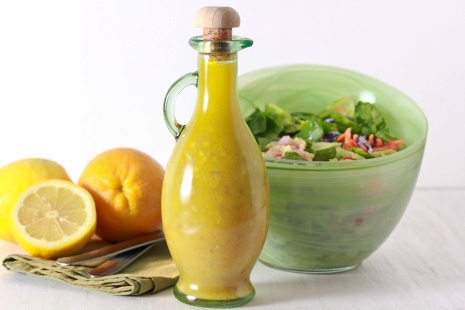
Homemade Dressing/Marinade Template:

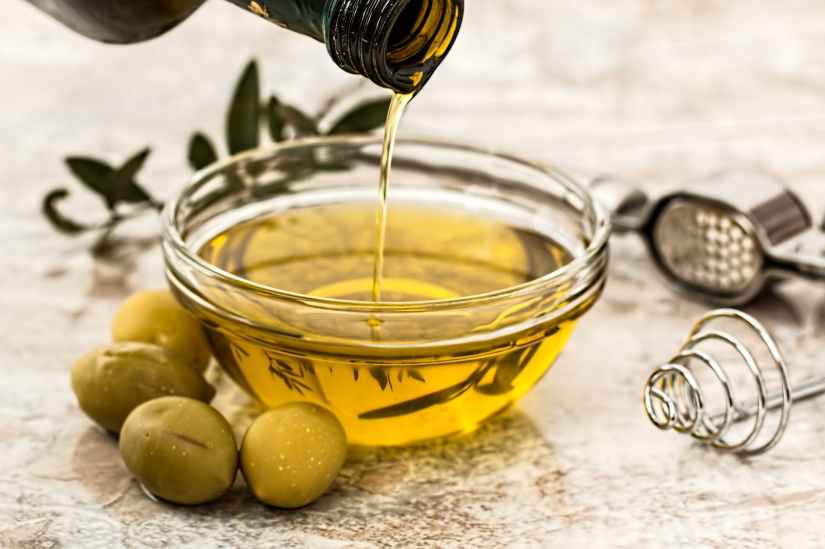
¾ cup healthy oil*

  • Olive Oil, Walnut Oil, Macadamia Nut Oil, Grapeseed Oil, Canola Oil
  • NOT Peanut, “Vegetable”, Corn, Soybean Oillrmon vinegraitte

¼ cup acid

  • Vinegar, Citrus juice

Salt & pepper to taste

Any herbs, or flavorful fruits & veggies you like

Place all ingredients together in a mason jar, shake & serve.

*Healthy oils such as monounsaturated fats like olive oil & omega 3 fats like Canola oil are better for heart health. Fats with more omega-6’s (in red) contribute to more inflammation if taken in >2:1 ratio to omega-3s.

Sample Recipe:                                                                                          raspberry vinegraitte

¾ cup Olive oil

¼ cup raspberry or red wine vinegar

1 tsp honey

1 tsp fresh chopped chives

¼ cup chopped raspberries

½ tsp lemon rind grated

Use to marinade chicken or fish, or to dress salads


Healthy Swaps for Summer

Potato salad

potato salad

367 Calories, 20.5g fat, 184.5 calories from fat

glycemic load=13


Small baked potato (4oz)Baked Potato

128 Calories, 0.2gfat, Glycemic load =13 add a pat of butter for 33 cals& 3.5g fat

Macaroni salad

Macaroni Salad


Pasta salad with homemade dressing* 247 Calorie, 7g fatPasta Salad w homemade dressing


Use whole grain pasta & double the veggies!

Mayonnaise

mayo

Usually made with oils high in omega-6 fats, try finding one made only with olive or canola oil

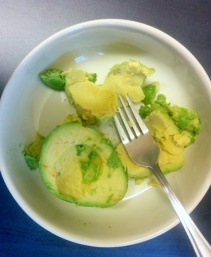
Mashed avocado, greek yogurt, homemade dressing, olive oil mashed avocado
Marinade

Marinades

Usually made with oils high in omega-6 fats, try finding one made only with olive or canola oil


Homemade olive oil & vinegar dressing

olive oil and vinegar

5 Ways to “Healthify” Your Summer Meals!

  1. Watch for added sugar
    • Read labels- Yogurts, dressings & marinades, esp. drinks!

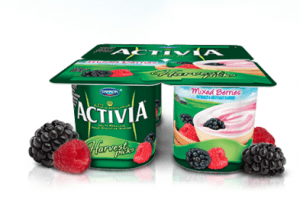
There are 4 grams (4g) of sugar in 1 teaspoon of sugar.  One container of Activia yogurt has 18g of sugar.  That’s 4 ½ teaspoons!

Nutrition Factsactivia

Dannon Activia – Yogurt Vanilla 4.4ozServings:  1/2 cup 4.4 ounces 1 cup 4.4 ounces

Calories 120 Sodium 60 mg
Total Fat 2 g Potassium 150 mg
Saturated 2 g Total Carbs 22 g
Polyunsaturated 0 g Dietary Fiber 0 g
Monounsaturated 0 g Sugars 18 g
Trans 0 g Protein 4 g
Cholesterol 5 mg    
Vitamin A 0% Calcium 0%
Vitamin C 0% Iron 0%

avocado

  1. Know your healthy fats
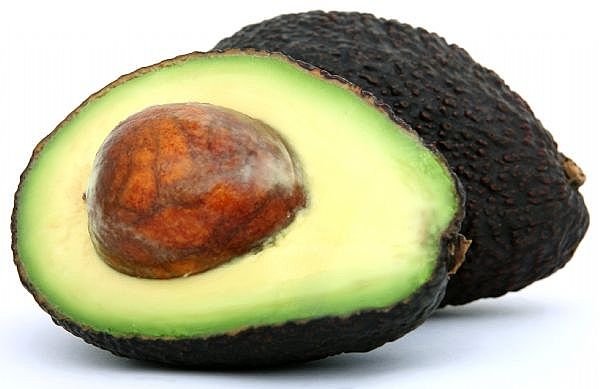
    • Monounsaturated fats like olive oil and avocados help to reduce blood cholesterol levels and may help prevent heart disease.
    • Omega-3 fats have been shown to protect brain and heart health in studies. Look for them in:
      • Canola oil, walnuts & walnut oil, grapeseed oil, and cold water fish like

lrmon vinegraitte

  1. Kick Sodium-
    • Check your labels, the daily recommended intake for Sodium is 1500mg/day, which is hard to limit ourselves to if we’re eating processed foods.
    • Make your own dressings and marinades this summer. Check out our blog for recipes and build your own!

whole grain bread

  1. Make ½ your grains whole
    • Keep heart disease at bay while supporting healthy gut bacteria by opting for whole grains:
    • Quinoa, brown and wild rice, oats, barley, breads, pastas and cereals that have 100% whole grain on the label.

fruits and veggies

  1. Make half your diet fruits and veggies
    • Pump up your nutrient intake while driving down calories. Try some homemade Dole Whip made with just 2 ingredients instead of ice cream this summer. Pick up a handout or our blog for the recipe.


Probiotics – What is “Good Bacteria” Anyway?

gut-bacteria_d400

     It seems like every week or so someone is promoting a new “superfood” that we simply must be eating in order to be healthy.  Lately, it seems like everywhere I look someone is saying; “Eat probiotics, they’re a superfood!”

     If I ask what makes them so super, the response is often something like, “Well you need good bacteria in your intestines to get rid of the bad bacteria in there.”  In fact, just the other day at the gym I heard a physical therapist telling his client that if she took probiotics she would never again have gas.  When I politely interrupted to ask how this could be possible, he explained that; “You need more good bacteria to fight the bad bacteria.”  When I asked for an example of a bad bacteria, he had none to offer, but did insist that bad bacteria cause gas.

To be honest, he is not wrong about probiotics being “good” bacteria, or that we need more of them than “bad” bacteria.  He is wrong however, on the account that “good bacteria” will alleviate gas.  If anything, probiotic supplementation is associated with more gas.  Bacteria in our intestines eat the food that we eat, they break down a lot of the fibrous foods and one of the end products of their metabolism is gas.  What really irks me that no one ever explains what “bad” bacteria are.  Where does it come from, what does it do that makes it bad?  Before googling the terms good and bad bacteria or probiotics, I decided to search through research papers for some answers.

What makes “good” bacteria good?

In short, our intestinal bacteria weigh up to 2.2 pounds and the bacterial cells outnumber our own human cells by ten to one.  That’s right, we each harbor more bacteria cells than we have cells in our whole body.  On top of that, they help us out by producing nutritional factors such as several B vitamins, vitamin K, folate, and short-chain fatty acids (like the ones found in another super food, coconut oil).  Up to 10% of our daily energy needs can come from the by-products of bacterial fermentation (their digestion).  Gastrointestinal bacteria are also critical for the normal development of our immune system, they stimulate the growth of the intestinal lining and prevent proliferation of disease causing bacteria within the intstine.  The physiological impact these bacteria have on our bodies is significant enough that some in the gastroenterology world call them our “other organ”.

What makes “bad” bacteria bad?

In general, they make us sick, and cause intestinal related illnesses such as diarrhea.  In an interview with food and bioproduct scientist Dr. Darren Korber, he explains; “Naturally, bad bacteria include pathogens, like Clostridium difficile, that can come to proliferate and cause problems. A healthy microflora can work to prevent their growth. That’s why antibiotic acquired diarrhea (AAD) occurs – the normal “good” microbiota are disturbed or altered due to the antibiotics, and hence the pathogen can proliferate. Another thing that could make a bacteria “bad” is any bacteria that could escape and get into the blood stream.”

Does taking probiotics (either in yogurts or pill form) help?

Research shows that taking probiotics to help treat antibiotic associated diarrhea or infectious diarrhea can result in shortening the duration of symptoms experienced by one day.  The American Academy of Pediatrics supports the recommendation of Lactobacillus rhamnosus GG supplementation early in the course of acute infectious diarrhea to reduce symptom duration.  This particular probiotic can be found in pill form over the counter in products like Culturelle, Centrum ProNutrients Probiotic, and Solgar brand probiotics.  Regarding antibiotic associated diarrhea (AAD), scientists used the probiotic mixture currently marketed as DanActive (Dannon) in the United States and found that it significantly reduced diarrhea in hospitalized patients.  There is research to suggest that probiotics may also help with ulcerative colitis and irritable bowel disease.

“Probiotics are likely to be safe for healthy people; side effects, if they occur at all, consist only of mild digestive symptoms such as gas.  On the other hand, people who have serious underlying medical conditions, such as weakened immune systems, are critically ill, have had surgery, or are sick infants may be at risk for serious side effects, such as dangerous infections and should not take probiotics.”    (Patricia Hibberd, 2015)

Ok, so what about prebiotics?

Prebiotics are nondigestible food ingredients that promote the growth of beneficial microorganisms in the intestines.  On the topic of prebiotics, Dr.  Stefano Guandalini, MD, Section Chief of Pediatric Gastroenterology, Hepatology, and Nutrition and Medical Director of the Celiac Disease Center at the University of Chicago, says “In theory these are a good way of promoting a healthy microflora in your gut, and one would expect beneficial effects, but in reality it has been quite disappointing. There’s not a lot of practical use for prebiotics as we speak, in terms of clinical effectiveness. The only niche in which we found them to be successful is as an additive to formula for premature babies, because human milk actually contains plenty of prebiotics. Other than that, there hasn’t been much practical use. In fact, in our review, we saw that prebiotics have been tried for treating irritable bowel syndrome, but actually with mostly negative results”. Some natural food sources of prebiotics include: garlic, onions, bananas, beans, artichokes, asparagus, bran, legumes, leeks, apples and root vegetables.


If I decide to use probiotics, how much do I need to notice a desired effect?

If using an over the counter pill, follow the instructions on the label, and continue taking them as advised throughout the time an effect is desired ( for example, from the onset of diarrhea, until a few days after the diarrhea has ended.) Otherwise, eating a yogurt, or drinking a kefir once per day should be sufficient according to Dr. Matthew Ciorba.

Product                 Organism(s)                                                Disease/Issue

IBS    Colic   Diarrheal    Ulcerative Colitis

Biogaia             Lactobacillus reuteri                                    *

Culturelle        Lactobacillus GG                                                             *

Florastor          Saccharomyces boulardii (a yeast)                             *

VSL#3               Combination of 8 organisms             *                                            *

Danactive        Streptococcus thermophilus,

Lactobacillus bulgaricus,

and Lactobacillus casei                                                  *

Align                 Bifidobacterium                                   *


This table identifies the specific strains that have been validated through clinical trials and if possible, had their effects reproduced by different groups.  We can see that the list of probiotics that have gone through this process is pretty short.  It doesn’t mean that other preparations don’t work, it just means that they haven’t been scientifically validated as of yet.

Can probiotics really help people to lose weight?

Studies show that taking the right probiotics actually can help people lose weight.  Amazingly enough, one group of researchers actually looked at the effect of ingesting probiotics while maintaining a poor diet.  A very recent study at Virginia Tech investigated how the probiotic VSL#3 affected students fed high fat high calorie diets.  20 men ranging in age from 18 to 30 were fed high fat (55% fat), high calorie (an extra 1000 calories per day) diets for four weeks.  (For the record, it takes approximately 3500 calories to make one pound.  Therefore, by taking in an extra 1000 calories per day, these gentlemen could have gained as much as 8 pounds over the course of this two week trial.)  Half of the participants in this study received a supplement containing the probiotic VSL#3, and the other half received a placebo.  At the end of four weeks, the placebo group gained an average of 5.06lbs, while the probiotic group gained only 3.14lbs.  What’s more is that when these men underwent X-ray scans to determine their body fat mass, it was determined that the probiotic group gained 1.4lbs of body fat while the placebo group gained 2.8lbs.

That’s twice as much body fat gained by the placebo group than by the probiotic group.  Many more studies indicate that probiotics like Lactobacillus and Bifidobacterium also help to reduce fat mass, insulin resistance, and gut inflammation in obese people and in people with type II diabetes.

The research investigating probiotics is so prolific, we are just beginning to scratch the surface of what these little bugs can do.

 

Healthy Eating on a Budget

pexels-photo-164661.jpegEating healthy can seem pretty impossible at times for many people.  We work full-time, rush kids around from place to place, who has time to cook nutritious meals every night?  On top of this, it often seems like the healthiest foods in the grocery store are also the most expensive.  Wild caught salmon is $25.99/lb and a whole KFC family meal costs just the same.  It’s easy to see why for many people healthy meal planning is still not on the radar.
 

Well, I have good news!  It’s entirely possible to feed a family of four healthy nutritious meals that can be made in less than 30 minutes and cost under $15, in fact many cost under $10.  In this article, you’ll find some shopping tips and tricks, a table of per serving costs of grocery staples to have on hand, as well as recipes to get you started.


1. Know Your Healthy Staples


Proteins:  White meat poultry, eggs, seafood, seeds, beans, nuts, nut butters, tofu, and infrequently cuts of pork beef, or anything else really that are labeled loin or round.  These are consistently your best bets, and are usually relatively affordable.  There is a table listed to show the price of these items, as well as a per serving price, so you can price out your own favorite recipes.egg-eggshell-broken-yolk.jpg


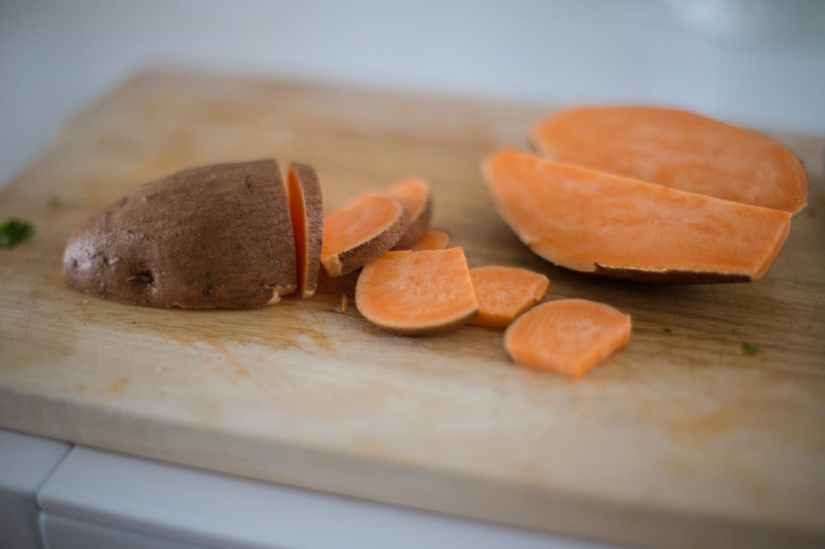
Carbohydrates:  Sweet potatoes, squashes, whole grain pastas, brown or wild rice, quinoa, air-popped popcorn, oatmeal, 100% whole grain products such as bread, tortillas, pitas, rolls and cereals.pexels-photo-89247.png


               Fats: Olive oil, canola oil, butterolive-oil-salad-dressing-cooking-olive.jpg


Fruits and Veggies:  As much as possible!  Frozen is always ok, and will retain about 100% of the nutrients that it had when it was fresh picked.  Fresh is great when it’s in season, when not it can get pricier and may not actually have as many of the vitamins and nutrients as the frozen option.  Canned is great to have on hand as well in emergencies, just be sure to look for no sodium, or low sodium options in veggies and beans, as well as fruits that are packed in their own juice. healthy-food-fresh-organic-162825.jpeg


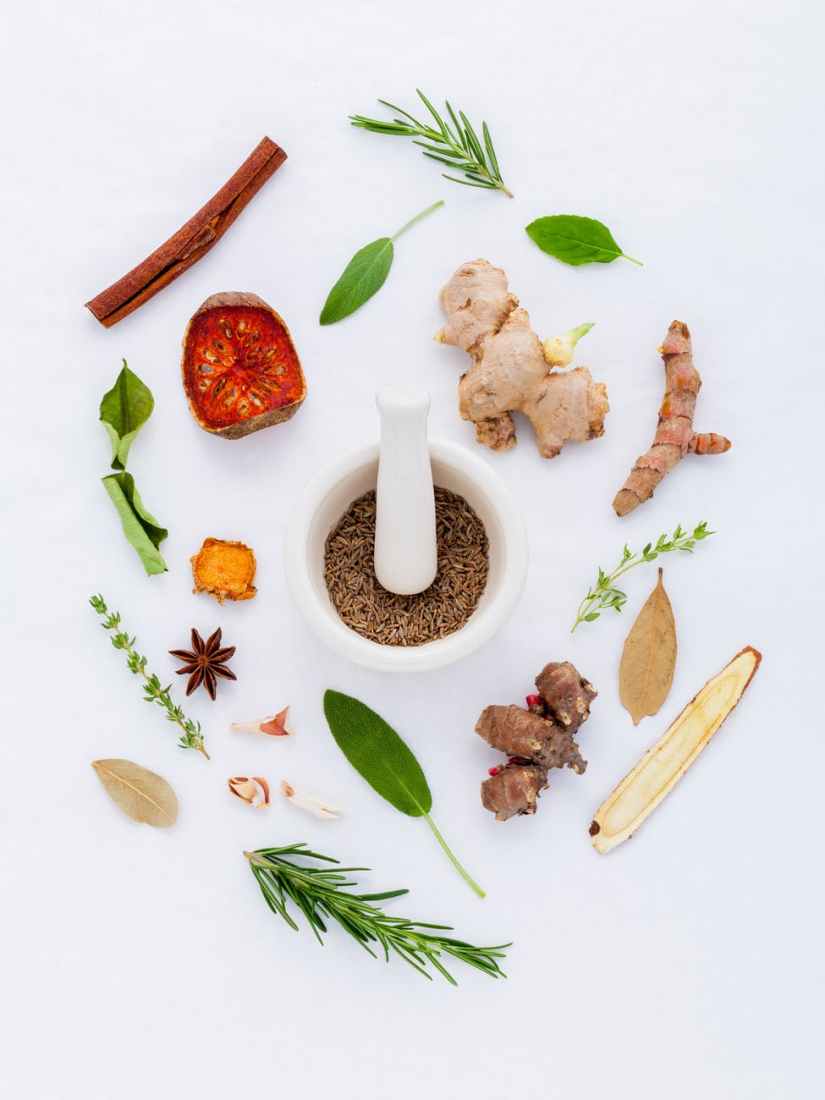
Pantry Items: Spices, garlic, salt, pepper, stocks and broths.pexels-photo-256318.jpeg


Dairy: Milk, (soy, hemp, plant based varieties are included), cheeses, yogurt (plain Greek for more protein)pexels-photo-821365.jpeg

2. Plan

The best  tip to eating healthy on a budget is to practice meal planning.  This doesn’t mean you have to develop a detailed menu for each day of the week.  People tend to be creatures of habit, especially for breakfast.  What you do is make a little table:

Day: Sunday Monday Tuesday Wednesday Thursday Friday Saturday
Breakfast
Lunch
Dinner
Snacks

Now you don’t have to go crazy looking up recipes and spending lots of time on this at all.  Just think of the foods your family already likes. There are many ways to make even the worst meals healthy, and we’ll talk about that later.  Here’s an example of one of my own Meal plans:

Day: Sunday Monday Tuesday Wednesday Thursday Friday Saturday
Breakfast French toast & fruit Greek yogurt & fruit Eggs, turkey bacon & fruit Oatmeal & fruit Eggs & turkey bacon & fruit Oatmeal & fruit Eggs, oatmeal, fruit & turkey bacon
Lunch Salad with hard boiled eggs, cheese & multigrain roll Salad with boiled eggs, veggies and cheese sticks Turkey bacon BLT and fruit Wrap with hummus and veggies Salad with turkey bacon, cheese, and fruit Leftovers Turkey bacon BLTs & fruit
Dinner Protein Plus Pasta (Barilla) with garlic, oil & veggies + salad Crockpot Tortilla Soup + Black Bean Quesadillas Turkey or chicken tacos Naan bread or

French Bread Pizzas with veggies, and salad

Chicken breast stuffed with cheese & veggies, sweet potatoes and side salad Buffalo Chicken Wraps with side salad Chicken in the grass

French Bread Pizzas with Salad & Veggie Side

Snacks Greek yogurt Hummus and veggies Hummus and veggies Greek yogurt and peanuts Peanuts and fruit Hummus and veggies Peanuts and fruit


This gives me everything I need to know for my shopping list.  Sometimes, if I know certain things are going on sale, I’ll develop my meal plan around that.  Also, when meal planning, it helps to look at a few things:

1. The weather, since my husband refuses to eat “cold weather foods” like soups, or lasagna when it’s over 65 degrees out.  Also, if it’s nice and not rainy, grilling outside is a quick and easy option.

2. Look at the family schedule:  Will everyone be home?  If so, at what time?  How much time is there to prep between getting home and going to the next outing?  If it looks like a particularly tight schedule, consider making a crock pot meal in the morning before heading off to work such as 10 minute tortilla soup.  That way, you can just come home and eat- yay!

3. Plan your meals so that you can buy a few meats or proteins in bulk and prepare them in multiple different ways.  For instance, chicken tenders cost about 4.99/lb, however 5lbs of boneless skinless chicken breasts at Wegmans is about 1.99/lb.  It only takes a few minutes too butterfly them and cut them into tenders yourself if that’s what you like.  Then you can also throw some into soup, use some for sandwiches, or in salads, tacos, stir fry, or even pizza topping.

Below is a database of foods and their typical 2015-2016 prices in the Western New York area.  Feel free to use it to help plan your meals!

Food item Unit Price Serving Price Serving Size
Ground beef 3/lb 0.75 4 oz
Chicken breasts (boneless skinless) 2/lb 0.5 4 oz
Cheddar/Monteray/Colby 3.50/lb 0.44 2 oz
Potatoes .70/lb 0.35 8 oz
Sweet peppers $3/lb .50-$1 1/2 c
Onions 1.50/lb .3-.5 1/4 c
Mushrooms 2/lb 0.5 1/4 c
Broths/Stocks 2.50/32 oz. 0.625 8 oz
Mozzarella 4/lb 0.5 2 oz
Ground Turkey (bulk) 3/lb 0.75 4 oz
Sweet Potatoes 1.5/lb 0.75 8 oz
Tortillas 2/8 tortillas 0.25 1
squash 2/lb 0.5 8 oz
whole wheat protein pasta 2.25/lb 0.33 3 oz
parmesian cheese 6/lb 0.25 tsp
canned tomatoes 2/28oz 0.57 8 oz
canned san marzano 4/28 oz 1.14 8 oz
whole wheat bread 2/lb 0.1 slice
lettuce 2/head 0.5 1/4 head
broccoli 2/lb 0.33 1/2 c
frozen veg 1/lb 0.25 1/4 c
frozen sugar snap peas 2/lb 0.5 1/4 c
frozen edamame 2.69/lb 0.67 1/4 c
frozen roasted poblanos 2.69/lb 0.67 1/4 c
frozen roasted red peppers 2.49/lb 0.63 1/4 c
frozen asian blend 2.79/lb 0.7 1/4 c
ginger 3/lb .3
garlic 2/lb .15
lemons 0.5 1 lemon
oranges 1.6/lb 0.5 1 orange
apples 1.33/lb 0.4 1 apple
naan 6-Jul 1.17 1 bread
whole wheat pitas 3.5/5 0.7 1 bread
flatbread pizza dough organic 7/2 sheets 0.88 1/4 sheet
greek yogurt Plain 4.25/32 oz 0.53 4 oz
light sour cream 2.5/24 oz 0.15 2 oz
canned beans 1/can 0.29 3.5/can
Frozen wild caught sockeye salmon 13/lb 3.13 4 oz
quinoa (Arrowhead) 6.5/lb 0.73 5 oz
quinoa (Aldi) 3/lb 0.36 4 oz
Food  Item Unit Price Serving Price Serving Size

Sample Recipe

Tortilla Soup                                                                        pexels-photo-209540.jpeg

Ingredients:

1 bag frozen corn

1 bag roasted poblano peppers

1 bag roasted red peppers

36 oz Chicken or Vegetable stock

1-2 chipotle peppers in adobo

1 chopped onion

2 chicken breasts

28 oz diced tomatoes and chiles

1 tsp coriander

1 tsp cumin

2 tsp chili powder

1 avocado cubed for serving

Instructions:

Dump all of the ingredients into a slow cooker, stir and cook on low for 6+ hours or high for 3-4.  When you arrive home, remove chicken breasts from soup and shred with two forks.  Return to soup.  Stir once more.  Serve in bowls topped with cubed avocado.